


Brandon Tatum, AMFT
+ASSOCIATE MARRIAGE & FAMILY THERAPIST
+SUPERVISED BY CELYNNA HARNETIAUX, LMFT
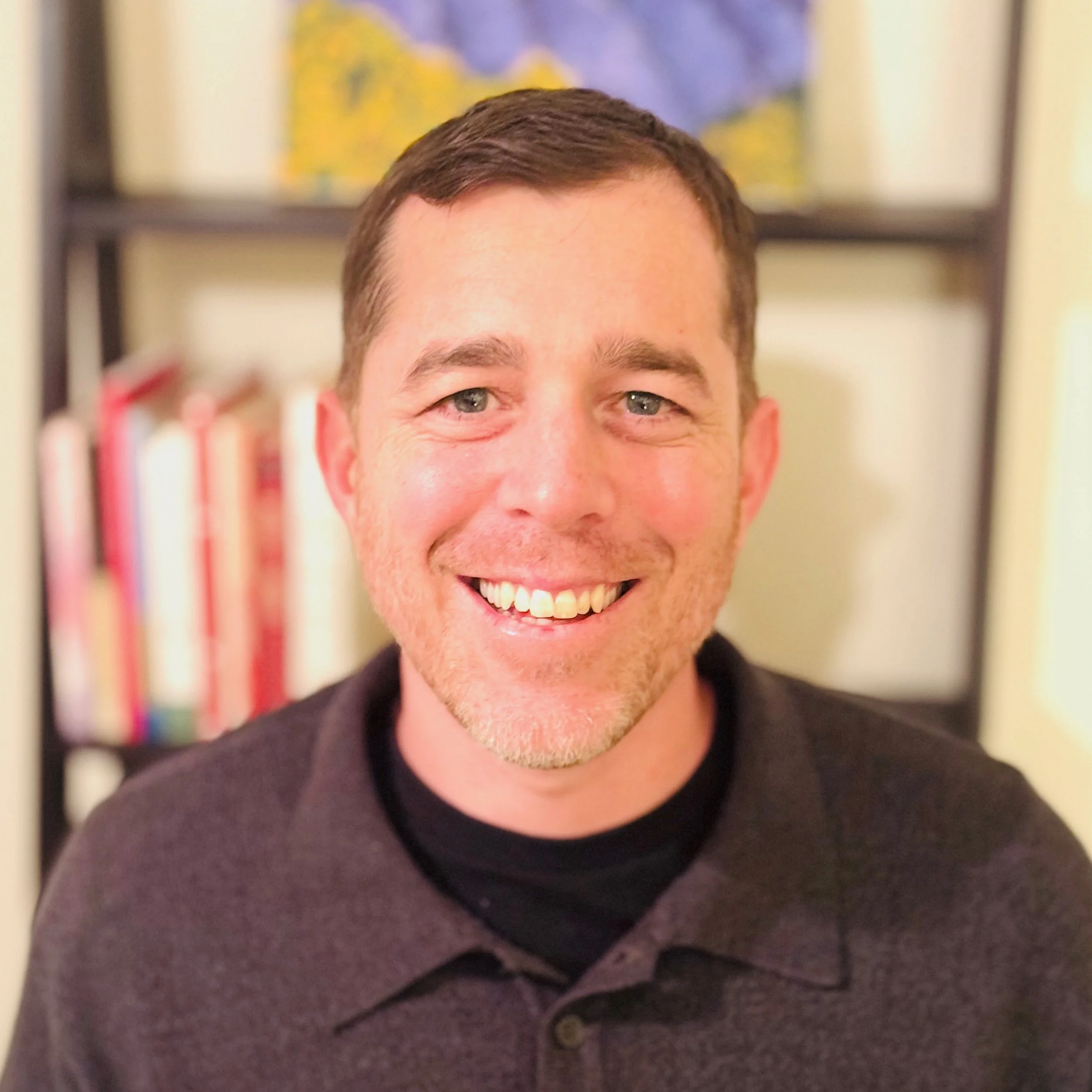
Why I became a therapist
For as long as I can remember, friends, family — and even complete strangers — have found themselves opening up to me. They’d share deep wounds, private fears, or long‑held dreams, often ending with, “I’ve never told anyone that before.” I’ve always gravitated toward meaningful conversations about life’s challenges, growth, and hard‑won triumphs.
Listening deeply, holding space, and being present for others has never felt like work to me — it’s felt natural. At a certain point, I realized I wanted to do something that truly mattered and made a real difference in people’s lives. Empathy has always been one of my greatest strengths, and becoming a therapist felt like a natural extension of who I already was. Therapy allows me to use my natural gifts with intention and purpose, supporting people as they navigate pain, uncover insight, and move toward more authentic and fulfilling lives. It’s not just what I do — it’s who I am..
Why I love this work
I love supporting others during important seasons in their lives — walking alongside them and standing witness as they grapple with, face, and overcome the difficulties holding them back.
Who I’m most drawn to supporting
I’m especially drawn to clients who find themselves in periods of transition — those in the in‑between moments of life where things feel uncertain, tender, or ripe for change. This includes young adults trying to make sense of what it means to be “grown up,” couples navigating important shifts in their relationships, and individuals ready to step out from under the long shadow of unaddressed trauma.
I also enjoy working with clients struggling with anxiety, depression, and challenges around emotional regulation. Many of the people I work with are thoughtful, self‑aware, and motivated, yet still feel stuck or overwhelmed by patterns they don’t fully understand. Supporting clients as they build insight, resilience, and a more grounded relationship with themselves is work I find deeply meaningful.
My therapy style (and how I balance warmth & accountability)
My approach to therapy is collaborative, client‑centered, and unique to each person who sits down in front of me. I offer a reliable, supportive, non‑judgmental place for you to land, and together we explore whatever you feel is holding you back — whether it be anxiety, depression, self‑doubt, buried emotions, a feeling of stuck‑ness, or something else.
Warmth and accountability go hand in hand. I work hard to create a space where clients feel safe, understood, and genuinely cared for, while also being honest and direct when patterns are keeping them stuck. Accountability doesn’t mean pressure or judgment — it means gently naming what I’m noticing, inviting curiosity, and supporting clients in facing things they may have learned to avoid.
Approaches & modalities I use
I take an integrative approach to therapy, drawing from a range of modalities based on each client’s unique needs, goals, and nervous system. My work is informed by ISTDP, somatic approaches, mindfulness, and Polyvagal Theory, with a focus on helping clients develop deeper awareness, emotional regulation, and meaningful change.
When working with couples, I often incorporate elements of the Gottman Method and Emotionally Focused Therapy (EFT) to support communication, connection, and relational repair.
How we’ll begin
When we begin working together, my focus is on creating a sense of safety, trust, and collaboration. Starting therapy — especially for the first time — can feel intimidating, and it’s completely okay if you’re unsure where to start.
Early on, we’ll get clear about what brought you to therapy, what feels most challenging right now, and what you hope might change through our work together. We’ll move at a pace that feels supportive, with no pressure to have everything figured out.
What therapy with me feels like
Clients might describe me as calm, open, and deeply present. I aim to create a space that feels safe and grounded, while gently encouraging honesty, emotional depth, and growth. Many clients experience our work as both supportive and challenging in the best way — feeling understood and validated while also being helped to see patterns more clearly.
My vibe in session is calm, genuine, grounded, and exploratory. Sessions are collaborative rather than rigidly structured, with room to slow things down, notice what’s happening in the moment, and gently explore patterns as they emerge. While the work can go deep, the tone remains human, warm, and attuned.
What helps people heal
I believe healing and growth occur when we feel safe enough to connect with our emotional experiences rather than pushing them away or getting stuck in patterns that no longer serve us. Many struggles develop when difficult feelings — often shaped by earlier relationships — have gone unexpressed or unheard.
In therapy, we gently notice these patterns, build the capacity to feel and understand emotions, and explore them within a supportive, trusting relationship. As emotional clarity and self‑compassion grow, clients often feel more grounded, authentic, and connected in their lives and relationships.
What I hope you take with you
My hope is that clients leave therapy with a deeper understanding of themselves and greater trust in their emotional experience. I want them to feel more grounded, more connected to who they are, and better able to navigate difficult emotions and relationships with clarity and self‑compassion.
Above all, I hope clients walk away feeling more congruent, empowered, and free.
WORK WITH BRANDON
A space to soften, reconnect, and grow.
AREAS I SPECIALIZE IN
Anxiety.
Couples.
Depression.
Divorce.
Anxiety. Couples. Depression. Divorce.
Grief & Loss.
Low Self- Esteem.
Life Transitions. Men's Issues.
Grief & Loss. Low Self- Esteem. Life Transitions. Men's Issues.
Parenting.
Teens.
Spirituality.
Parenting. Teens. Spirituality.